
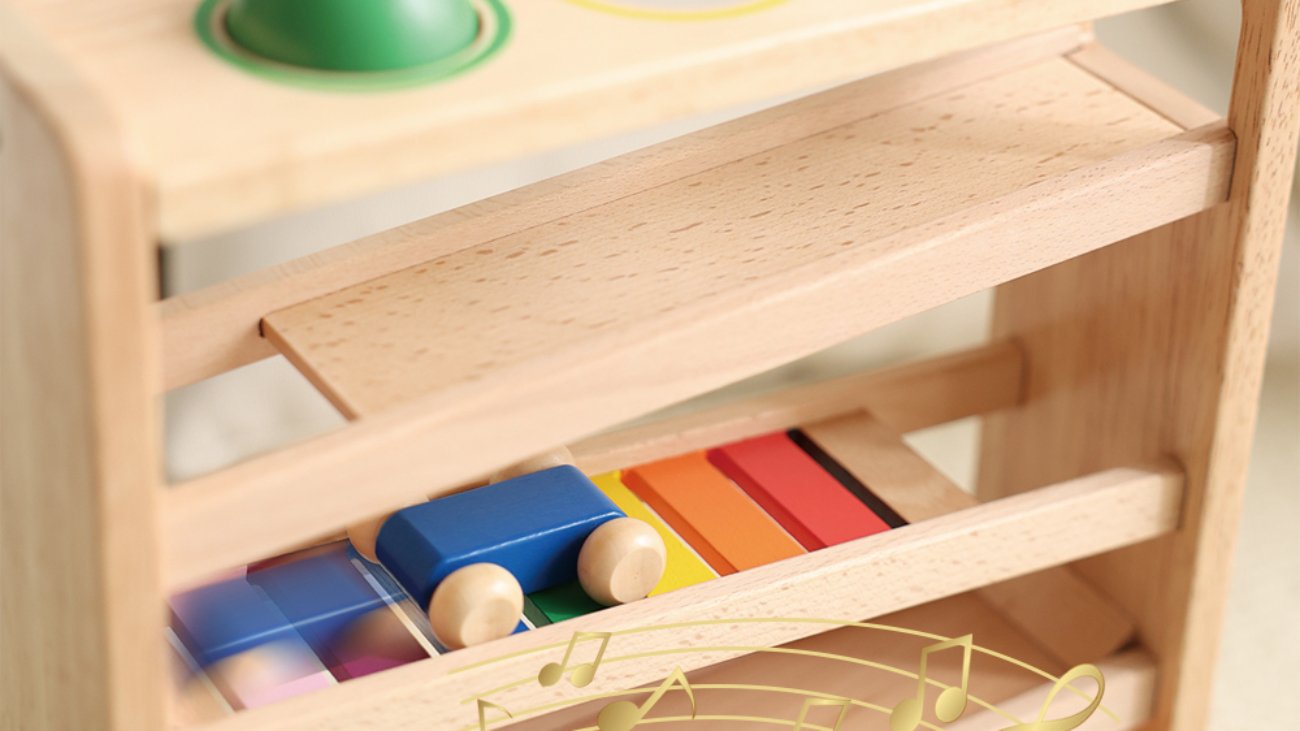
What the China-to-GCC Sourcing Data Means for Your Catalog and Your Margins
A parent in Riyadh is scrolling Amazon.sa right now, comparing two nearly identical sorting toys — one plastic, one wood — and choosing the wooden one, even though it costs more. Multiply that choice by thousands of households across the GCC, and you’re looking at one of the clearest category shifts in the baby and kids’ space today.
This isn’t a soft trend piece. It’s a shift backed by real buying data, and it has direct implications for what you stock, how you price it, and where your next catalog expansion should go.
In 30 Seconds
| The essentials, if you only read one section: |
| • The global wooden and Montessori toy market is on a sustained multi-year growth path. |
| • A majority of parents now weigh environmental impact before buying a toy, and nearly half see wood as more durable than plastic. |
| • Asia-Pacific — where Bait Farasha sources directly — is projected to be among the fastest-growing supply regions for this category. |
| • Wood commands a premium buyers are already willing to pay: real margin room, not just a trend to chase. |
Built for the China-to-GCC Corridor
This is exactly the shift Bait Farasha exists to serve. We’re a Beijing-based sourcing partner built specifically around one corridor: verified Chinese manufacturers on one end, GCC retailers and Amazon.sa sellers on the other. That regional growth curve isn’t an abstract forecast for us — it’s the supply base we already have relationships in. When Asia-Pacific manufacturing capacity for this category expands, it expands inside the network we’re already sourcing from. Sourcing Quality. Delivering Trust. — a China-to-GCC pipeline built for exactly this category shift.The Category, By the Numbers
Industry forecasts point to steady growth for wooden and Montessori toys over the coming years, driven by three converging forces: education-focused parenting, sustainability concerns, and a pullback from screen-heavy, disposable plastic toys. [Note for internal review: the specific percentages and growth figures from the original draft should be replaced with named, dated sources — e.g. a specific Grand View Research or Statista report — before this goes external. Happy to pull and verify those once you confirm which report you’re citing.]Why Parents Are Actually Switching
This isn’t about aesthetics. The reasons parents give are concrete and consistent: durability, safety, screen-free play, and a genuine willingness to pay more for materials they trust. Put together, these numbers describe a buyer who has already decided wood is worth paying more for — before they’ve even opened your listing. Your job is simply to be the one who has it in stock.What’s Actually Selling
Not every wooden toy performs equally, and chasing the category blindly wastes budget. Four subcategories consistently pull ahead:- Multi-function activity cubes — busy-board style toys combining shape sorting, bead mazes, and gears. High perceived value and a strong standalone gift item.
- Wooden sorting and stacking toys — simple, classic, dependable sellers across nearly every price tier.
- Busy boards and sensory panels — especially strong for the 1–3 age range, often found by parents searching “screen-free” or “Montessori.”
- Letter, number, and shape puzzles — steady performers for the 3+ bracket, frequently bought alongside early-learning materials.
What This Means for Your Catalog
- If your 1–4 age range is still plastic-heavy, this is a reasonable moment to test a wood alternative alongside your bestsellers — not replace them outright.
- Premium positioning works here. Buyers already primed to pay more for wood respond well to a higher price point paired with genuinely good finish and materials.
- None of this bypasses compliance — wood toys still need to clear EN71 and SASO/SABER requirements like any other toy. Lock down documentation before committing to volume.